
Five Years in a Learning Organization
A personal reflection on five years at Intré as a learning organization, through guilds, community, AI, and a software culture built around growth over time.
Five years ago, I joined Intré to get back to writing code. Now, five years later, I am leaving a learning organization, and before I close this chapter I want to look back at what those years actually gave me.
I was looking for more than a new job: a place where I could stay longer with problems, work with less fragmentation, go deeper, and care more deliberately about quality. I wanted to be a programmer again in a fuller sense, but with the awareness that comes from experience: code never lives alone. Around it there are people, urgency, decisions, tradeoffs, and responsibility.
Only later did I understand that I had entered a learning organization. No one needed to explain the concept to me at the start. The daily experience gave the phrase its meaning.
Intré was not a random choice. Someone I had met almost by chance years earlier had strongly recommended it, and when I started looking around, I aimed at it intentionally.
At the beginning, I found exactly what I hoped to find. Maybe something slightly more uncomfortable, and therefore more useful.
I was placed on a demanding project, surrounded by very experienced people, and for the first time in years I almost felt junior again. I still had something to contribute, but I was suddenly exposed to a stronger environment: different standards, more mature practices, and technical conversations that forced me to raise my level.
That feeling was good for me. It reminded me that growth is not just the accumulation of years until you feel senior. Sometimes real growth means entering a room where you are not the person who knows the most.
Learning as a Collective Practice
Over time, Intré gave me a different way of understanding learning, beyond exposure to interesting projects and technologies.
I had always been curious. I liked experimenting, trying tools, building small side projects, and understanding how things worked. But that curiosity often lived at the edges: evenings, spare time, whatever energy was left after the real work.
At Intré, that same curiosity became part of the work.
Curiosity became a competence within the work. For me, maybe the main one.
I now associate a learning organization with an environment where learning is a collective practice. It happens in people, teams, rituals, communities, projects, informal moments, and protected spaces for experimentation.
Intré has publicly described its model with a simple phrase: Learn, Code, Deploy Value. What I like about it is that it does not separate learning from real work. It does not say, “first we study, then maybe one day we will use what we studied.” The cycle is continuous: learn, apply, create value, observe what happens, and learn again.
From the inside, that cycle was not abstract. It had places, time, and practices.
Guilds were the most obvious example.
Every week, part of the time was dedicated to small, spontaneous groups born from topics proposed by people inside the company. Every four months, new guilds were formed. From the outside, this may sound like internal training. From the inside, it felt different: a way to turn individual curiosity into shared learning.
Over the years, I moved through guilds about Agile and Scrum, React, functional programming, Domain-Driven Design, design patterns, algorithms, Rust, low-code and no-code, and AI agents. The mechanism matters more than the list of technologies.
A group of people decided to explore a topic. Sometimes it started from a book, sometimes from a course, sometimes from a concrete project, sometimes from a still-confused question. Then the group studied, tried things, made mistakes, built something, presented a result, wrote an article, opened a repository, or prepared a session for a company camp.
Some results only became useful well after Monday morning’s project.
Some outcomes became visible only later: new skills, technical confidence, shared language, more autonomous people. Others left more concrete traces: articles, repositories, talks, prototypes, public sessions, shared material. That distinction matters to me. It avoids reducing learning to something that must justify itself only through an immediate metric.
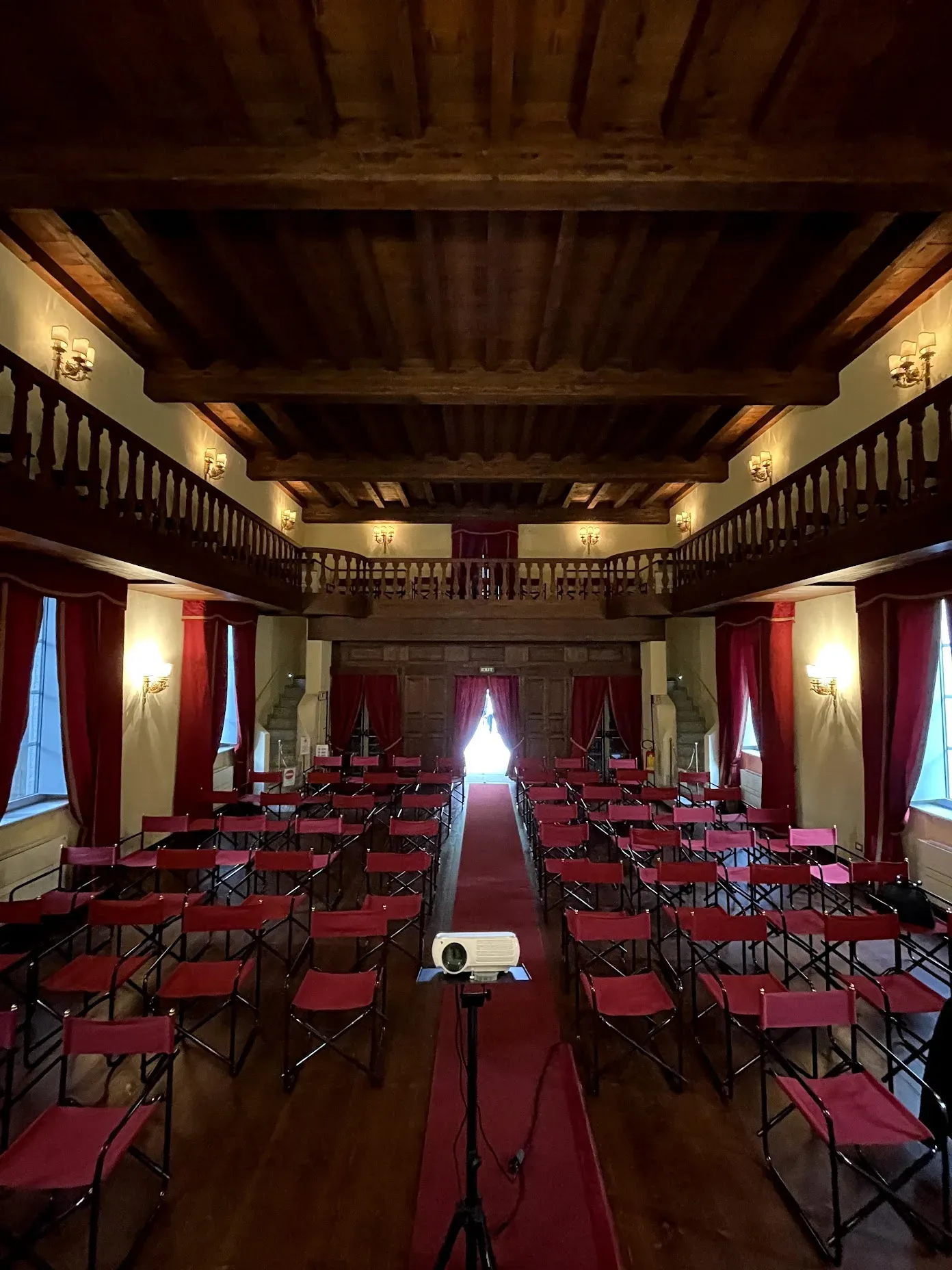
Some guilds were deeply technical. Others went outside the strict boundaries of software development. I remember a philosophy guild with particular affection: guided by an external teacher, we went from Socrates to Popper and ended up bringing a debate on democracy to a company camp. In a software consulting company, a space like that says something important. Professional growth extends beyond technical updates.
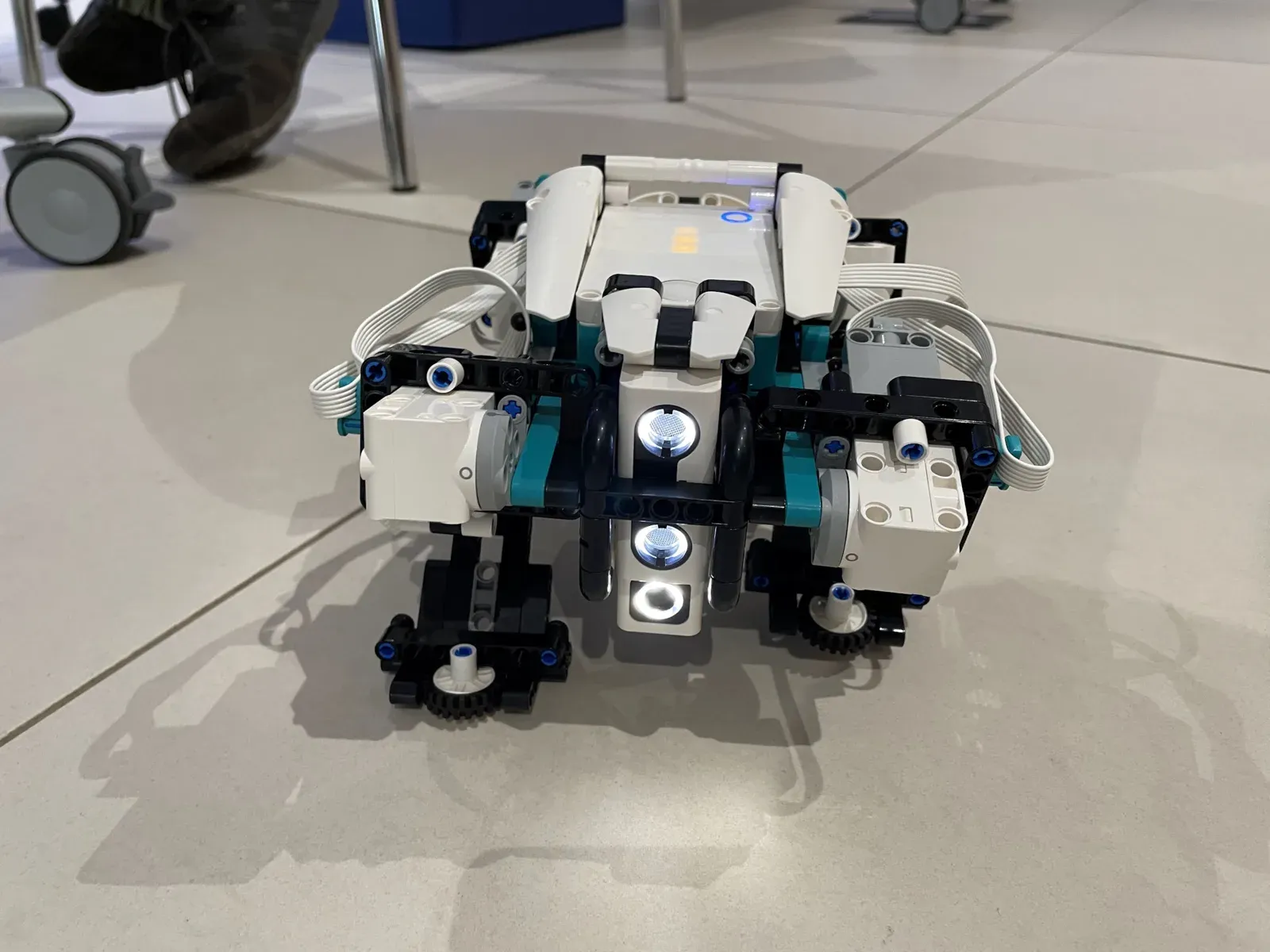
Another meaningful experience was Lego Skynet, a guild that started from a love of LEGO and ended up building an autonomous tracked vehicle with a Raspberry Pi, a webcam, and a small AI model. It later turned into something I remember even more fondly: two three-hour CoderDojo sessions in our Seriate office, with twenty children between six and twelve. We took them from Scratch all the way to a program that animated a LEGO Mindstorms robot, and in the second session they worked in groups, taking turns at the keyboard in a rhythm borrowed from mob programming. Helping a child get a robot to move is hard to beat as a concrete image of knowledge becoming something that circulates.
Then AI arrived.
Here too, Intré was a particular place to be. A small group of people embraced that revolution from the beginning, when it was still easy to dismiss it as hype or as an interesting but marginal game. That energy eventually became a dedicated business unit, Memoria.
For me, AI extended beyond an internal topic or guild curiosity. On the client side, I was also lucky enough to be pushed toward intensive use of AI as an accelerator to explore solutions, prototype, read complex systems, automate parts of the work, and think better before writing code.
That combination mattered. On one side, I had colleagues taking the transformation seriously, building practices, skills, and an offering around it. On the other side, I had projects where I could actually use those tools instead of only talking about them. That is one of the moments where the idea of a learning organization became very concrete: the company detects a change, some people explore it early, curiosity becomes practice, practice becomes competence, and competence starts producing value.
A Teaching Hospital for Software
Sometimes I have thought of Intré as a kind of teaching hospital for software.
Maybe that image comes naturally to me: Scrubs is my favorite TV series of all time. The reference is affectionate, but the metaphor also fits the work.
At times I felt a little like JD: inside a serious place, following real cases, but with the constant feeling of still being in training.
Around me there were people who, depending on the day and the personality, could feel a bit like Dr. Cox or Bob Kelso: more experienced references, sometimes rough, sometimes very direct, but able to raise the standard of the room.
The metaphor keeps together two things that are often separated.
On one side there were real problems, real clients, and real delivery. The software had to work, projects had to move, and people had to take responsibility.
On the other side there was a continuous dimension of learning, discussion, and transmission. More experienced people working alongside less experienced people. Guilds. Company camps. Unconferences. Conferences. External communities. Certifications. Technical conversations. Attempts. Experiments.
People worked seriously, but they were also there to grow together.
The most valuable part was changing posture: learning to ask better questions, being exposed to stronger people, preparing talks that forced me to understand a topic better, taking part in communities such as XPUG or Italian Agile Days, and bringing those stimuli back into the company.
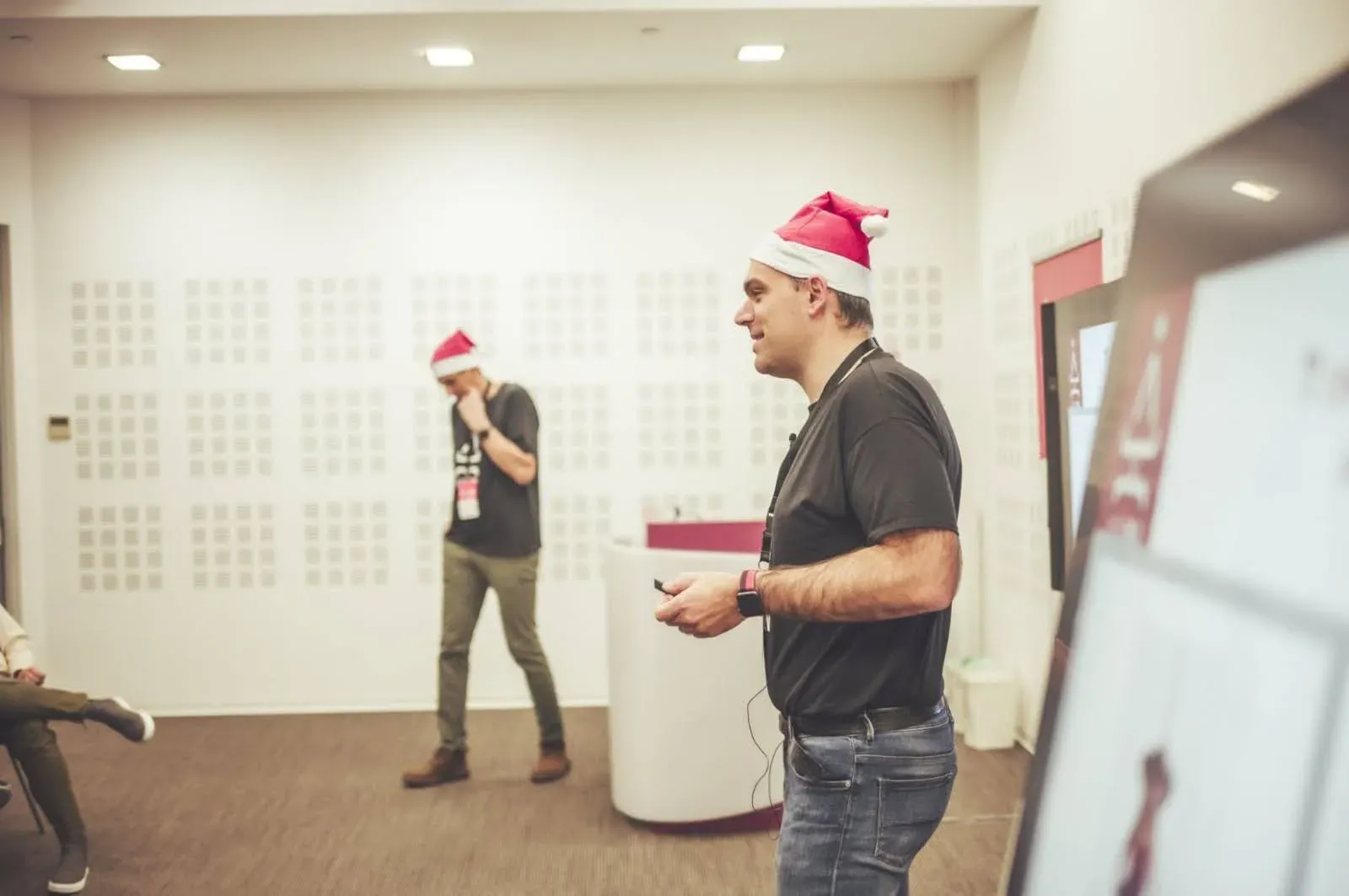
Here too, Intré’s public model helps name something I first experienced in practice: community is not an accessory to learning. It is one of its engines. It grows through discussion, identity, participation, contribution, and connection with the outside.
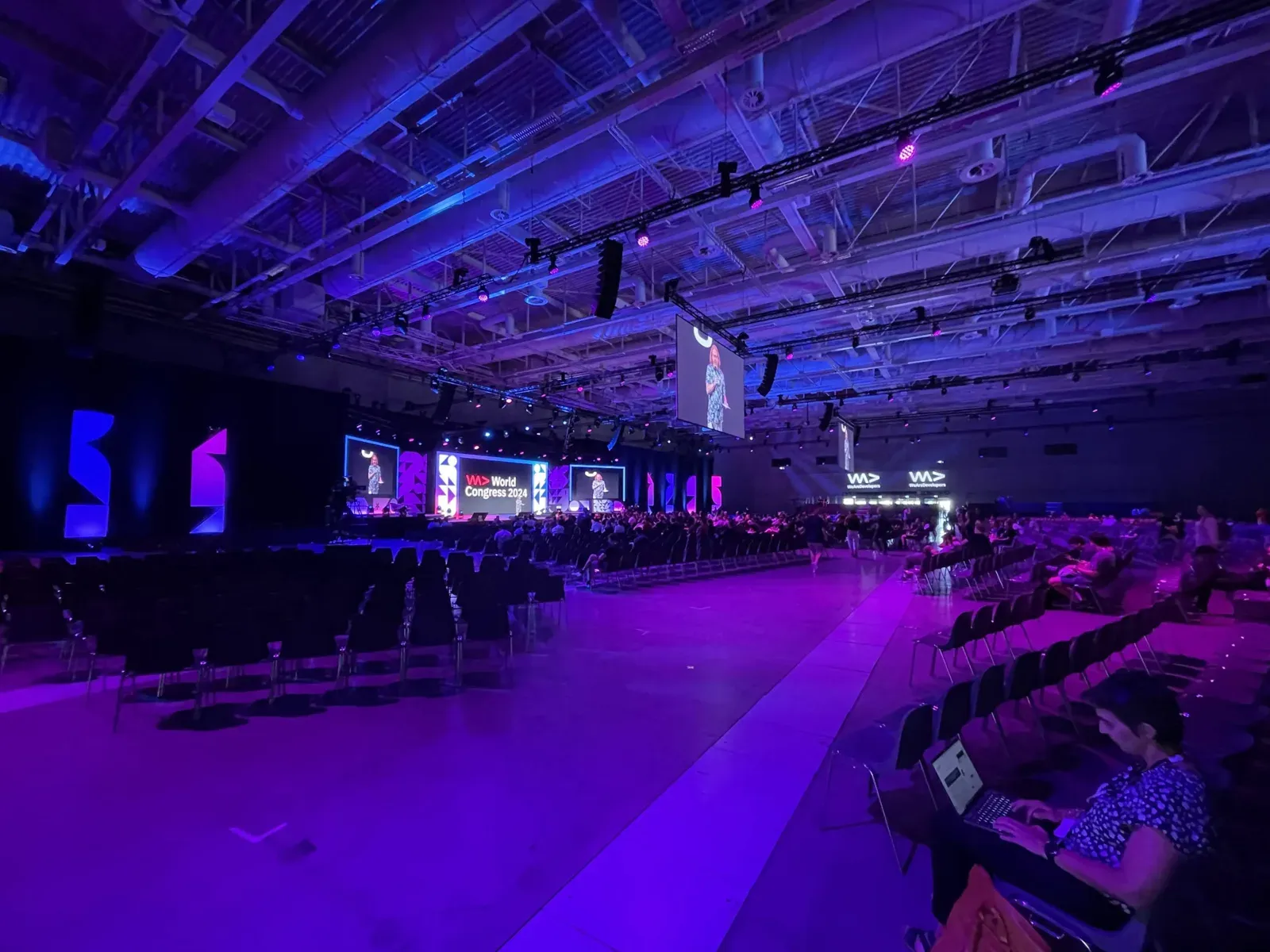
During these years, I had the chance to speak publicly, attend events, follow conferences in Italy and abroad, certify skills, and meet practices and people that widened my view.
Most of all, I learned that professional growth is not an individual line.
It is a network.
Seniority Changes Shape
I had arrived at Intré to get back to code.
I leave with a broader idea of what it means to be senior.
In my later projects, I often found myself in a particular position. There was a main flow of software development that needed to move in a compact, orderly way, through its ceremonies: refinement, planning, implementation, review. Next to that flow, however, there was always a constellation of smaller but essential problems: bugs, configurations, infrastructure details, urgent tasks, maintenance, coordination, and little things that could slow down or block the system.
I realized I could be useful there.
On one side, as a senior reference for colleagues. On the other, as a kind of Swiss army knife for the project lead: the person who absorbs friction, closes gaps, keeps mechanisms running, and prevents the team from losing momentum.
It is not the most visible form of seniority. It does not always produce the largest feature or the most elegant line of code. But it is a concrete form of technical responsibility.
It means seeing friction before it becomes a blocker. Understanding what should go through the process and what should be handled pragmatically. Protecting other people’s focus. Holding together quality, delivery, and context.
In a way, Intré made me go through a complete arc.
I arrived looking for a return to technical work. Over time, I found a more mature position, where code, process, people, and context are not separate worlds.
What Remains
When I think about these five years, I think first about people rather than technologies.
Colleagues I learned from. Technical conversations. Company camps. Guilds. Conferences. Sessions prepared at the last minute and others prepared carefully. Children in front of Scratch. Conversations where I felt small, then grew from it. Difficult projects. Mistakes. Attempts. Standards raised little by little.
I think about a place I chose to enter so I could write code again, and from which I leave with a wider idea of the craft.
The next step also comes from here, more than from a break. From what I learned, from the standards I absorbed, and from the desire to test in a new context what these years have built.
Writing software is not only about knowing tools. It is about learning continuously. Transmitting what you learn. Living inside communities of practice. Accepting that, depending on the moment, you may be an apprentice, a professional, a facilitator, a speaker, a colleague, a reference point, and a beginner again.
That is why I will carry Intré with me.
This adventure ends at a moment when artificial intelligence is deeply changing our profession. For that reason too, I feel that learning does not end here: it changes context, it changes shape, but it continues.
And Intré stays with me not only as a work experience that is ending, but as a professional and human community I hope to remain connected to. I expect we will meet again at some conference, some event, some technical discussion, or in front of a new idea to understand together.
So long, and thanks for all the fish.
Share